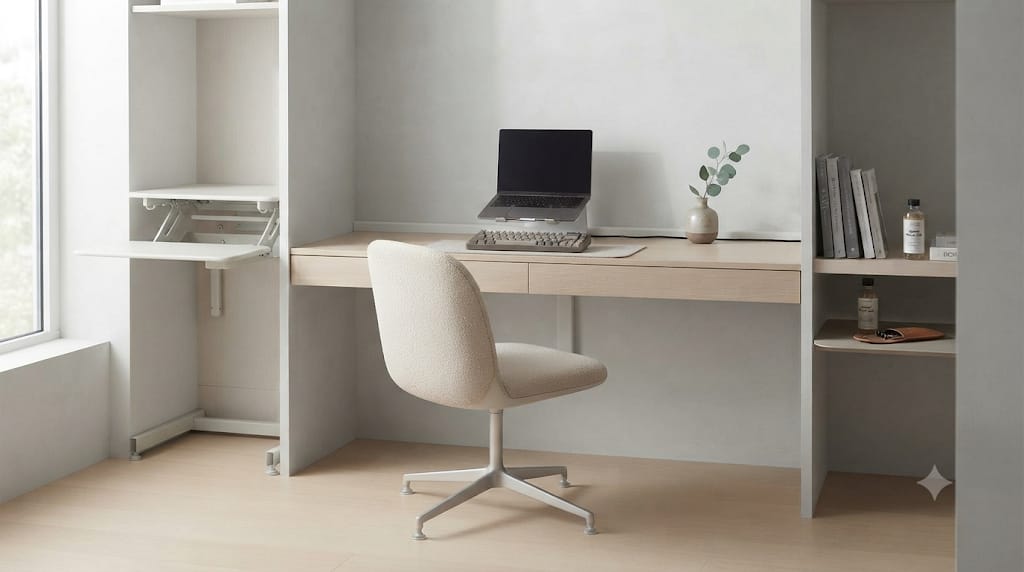
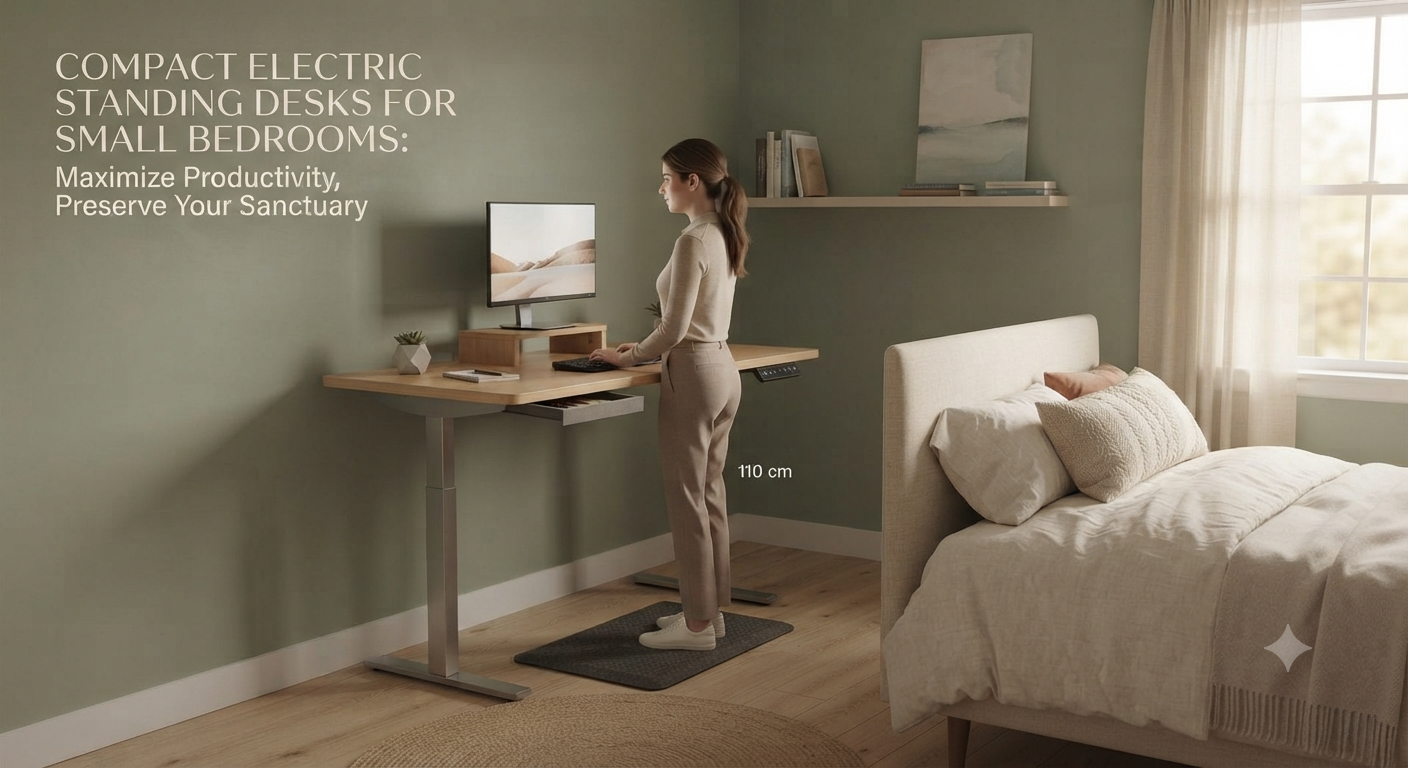
In the modern professional landscape, the boundary between living space and workspace has dissolved. With remote work and hybrid schedules becoming the permanent norm, many of us find ourselves carving out nooks, corners, and spare alcoves to serve as our professional command centers. But working in a compact footprint comes with a distinct set of challenges—chief among them being clutter.
When square footage is at a premium, traditional bulky furniture simply will not do. Heavy, ornate cabinetry swallows natural light and makes a small room feel claustrophobic. Enter the modern minimalist bookshelf for a small home office—a masterclass in functional design. These pieces do more than just store books; they act as architectural anchors that elevate your workspace, draw the eye upward, and create an illusion of expansive breathing room.
Whether you are drowning in reference manuals, struggling to find a home for your printer, or simply trying to curate a serene backdrop for your video calls, a minimalist bookshelf offers the ultimate solution. This comprehensive guide explores why minimalism is the secret weapon for small-space productivity, how to choose the right bookshelf, and actionable strategies to style it like a professional interior designer.
The Psychology of Space: Why Minimalism Wins in Small Offices
Before diving into furniture dimensions and hardware finishes, it is worth examining why minimalism works so effectively in a compact work environment.
Human psychology is deeply intertwined with our physical environment. Cluttered desks and overcrowded walls signal chaos to the brain, constantly firing low-level visual distractions that drain our cognitive energy and diminish focus. Conversely, a minimalist aesthetic—characterized by clean lines, a restrained color palette, and purposeful placement—calms the nervous system.
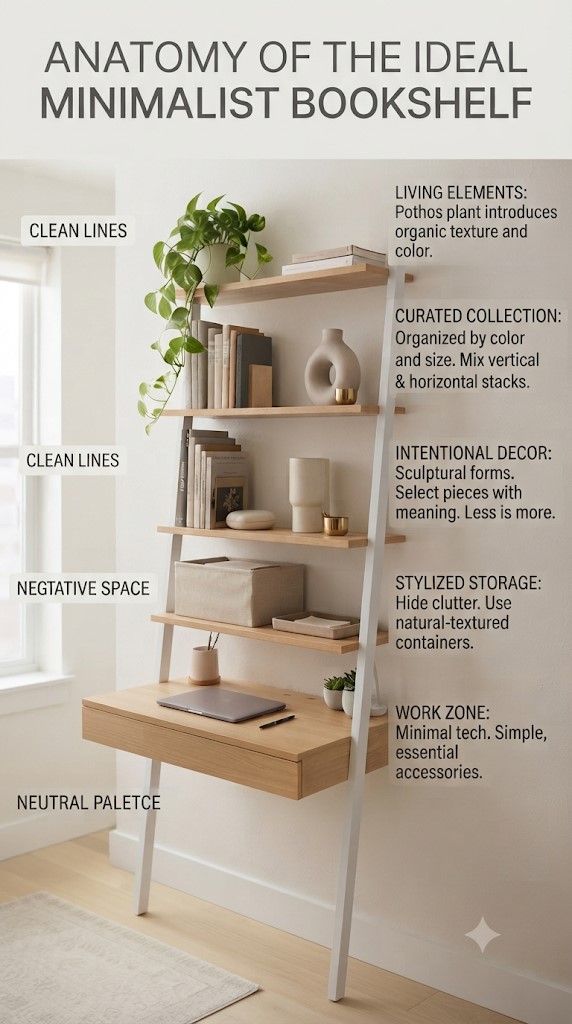
When applied to a small home office, minimalism is not about deprivation; it is about intentionality. Every item on a minimalist bookshelf earns its right to be there. By eliminating visual noise, you free up mental bandwidth. Furthermore, minimalist furniture often features elevated, open designs (such as slim metal frames or wall-mounted floating shelves) that allow light to pass through the structure. This unbroken line of sight tricks the brain into perceiving the room as larger, airier, and far more inviting than it actually isAnatomy of the Ideal Minimalist Bookshelf Not every narrow bookshelf qualifies as “modern minimalist.” To truly serve a small home office, a piece must possess specific architectural and structural traits. When shopping or designing custom built-ins, look for the following defining characteristics:
1. Vertical Orientation Over Horizontal Footprint
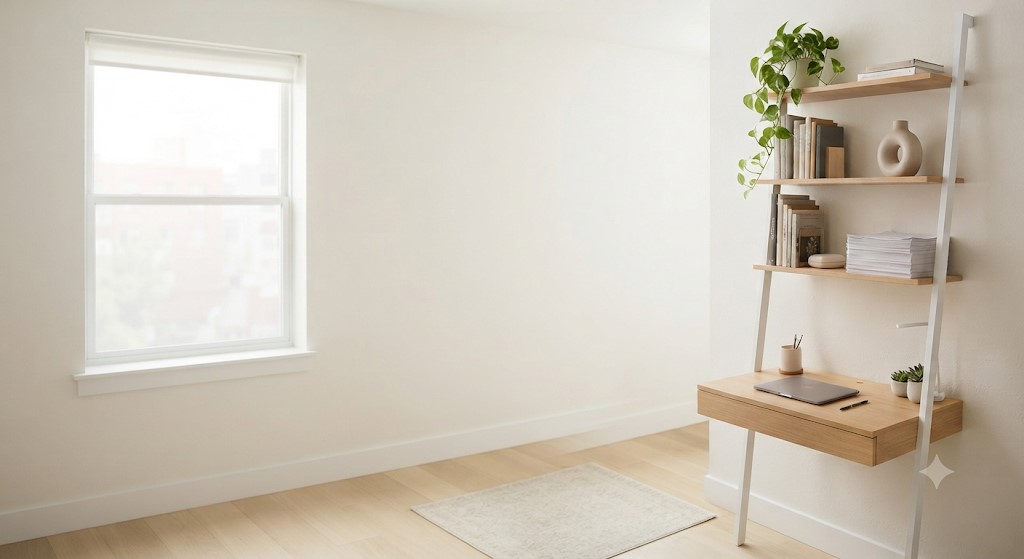
In a small room, floor space is sacred. Traditional wide bookcases eat up precious lateral wall area that could be better utilized for a desk, filing cabinet, or movement. Minimalist design prioritizes verticality. Tall, narrow, ladder-style, or vertical tower shelves draw the eye upward toward the ceiling, creating grandeur in a modest footprint.
2. Structural Transparency (Open Backs and Sides)
Solid wood block bookcases act as visual walls, chopping up a room and blocking light. Modern minimalist shelves almost universally feature open backs and slim side profiles. Whether supported by powder-coated steel tubes or slender wood uprights, an open structure ensures that your wall color flows seamlessly through the shelves, maintaining spatial continuity.
3. A Restrained Material Palette
Minimalism thrives on honesty of materials. Common pairings include warm, grain-rich woods (like oak, walnut, or ash) matched with matte black, brushed brass, or white powder-coated metal. Avoid high-gloss plastics or overly distressed, rustic finishes, which introduce visual clutter and clash the clean lines of modern tech gear.
Top Minimalist Bookshelf Styles for Compact Workspaces
Depending on your room layout and personal workflow, several distinct styles of minimalist bookshelves excel in small home offices:
The Lean-To Ladder Shelf
Leaning shelves are the darlings of small-space design. Because they lean against the wall rather than requiring heavy mounting hardware or bulky floor stabilization, they have an inherently casual yet architectural look.
- Best For: Renters who want to avoid drilling holes in walls, or anyone looking for a versatile piece that can be easily moved.
- Styling Tip: Place heavier reference books on the deep bottom shelves, graduating to lighter decor items and trailing plants as your eye moves upward.
The Floating Wall-Mounted Grid
If your floor is entirely occupied by your desk and chair, look up. Wall-mounted shelving units keep the floor completely clear, making cleaning effortless and creating a floating illusion that expands small rooms.
- Best For: Ultra-small nooks, converted closets, or spaces where floor space is virtually non-existent.
- Styling Tip: Treat the grid as a composition. Leave roughly 40% of the shelf space entirely empty to let the wall color breathe.
The Asymmetrical Cubby Tower
Moving away from rigid, boxy grids, modern minimalist design often incorporates asymmetrical pigeonholes and staggered dividers. This introduces subtle geometric interest without overwhelming the room.
- Best For: Creatives who need a mix of vertical book storage, horizontal display space for sculptures or camera gear, and hidden slots for notebooks.
The Slim Metal Frame Industrial-Minimalist Unit
Combining ultra-thin steel uprights with thin wood veneer shelves, these units offer immense weight capacity while maintaining a featherlight visual presence.
- Best For: Industrial, Scandinavian, or Japandi-style home offices.
- Styling Tip: Match the matte black metal of the bookshelf frame to your desk legs, monitor arms, and lighting fixtures to create a cohesive, custom-designed look.
Step-by-Step Guide: Choosing the Right Bookshelf for Your Specific Room
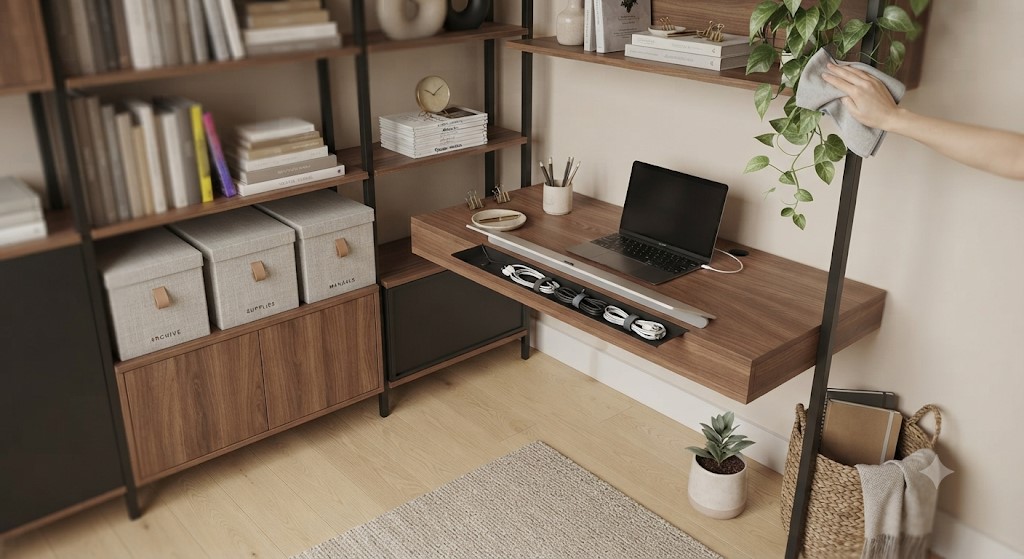
Selecting furniture online can be a gamble if you do not measure with surgical precision. Use this step-by-step framework to ensure your new bookshelf integrates flawlessly into your office:
Step 1: Audit Your Storage Needs
Be brutally honest about what needs to live on this shelf.
- Do you store heavy legal binders, art portfolios, or lightweight novels?
- Do you need space for electronics, a printer, or decorative objects? If you have heavy items, verify the weight capacity per shelf, as some ultra-slim minimalist designs are engineered primarily for decor and paperbacks rather than encyclopedias.
Step 2: Map the Traffic Flow
In a small office, every inch counts. Ensure your bookshelf does not impede the movement of your desk chair or block the swing of a door or window. Leave at least 24 to 30 inches of clearance in front of the shelving unit.
Step 3: Consider Lighting and Sightlines
Where will you sit relative to the bookshelf? If it sits directly behind your desk, it will serve as your backdrop during video calls. In this case, you want a shelf that looks impeccably styled and professional. Furthermore, ensure the shelf does not block natural light sources or air vents.
Professional Styling Secrets: How to Style a Minimalist Bookshelf
A minimalist bookshelf can quickly look barren if under-styled, or cluttered if over-stuffed. Striking the right balance requires a curated approach. Interior designers rely on several foundational styling rules to achieve that effortless, high-end look:
1. The Rule of Thirds and Negative Space
Never fill every single shelf from end to end. Treat your bookshelf as an art installation. Dedicate one-third of the shelf space to books, one-third to curated decorative objects, and leave the final third completely empty (negative space). This lets the eye rest and prevents visual fatigue.
2. Mix Vertical and Horizontal Book Stacks
Break up the monotony of vertical rows by laying a stack of 3 to 5 books horizontally. Use these horizontal stacks as risers to elevate a small decorative object, a framed photo, or a brass paperweight.
3. Color-Cordinaton vs. Natural Arrangement
While rainbow color-blocking can look striking in photographs, it can sometimes feel chaotic or juvenile in a professional home office. Instead, try organizing books by size, or turning books spine-in (pages facing out) for a monochromatic, neutral texture—though note that turning spines inward makes finding specific titles difficult, so reserve this technique for aesthetic fillers. A sophisticated middle ground is grouping books by neutral tones (creams, grays, charcoals, and natural linens).
4. Integrate Living Elements
Nothing softens the cold lines of modern metal and wood quite like botany. Introduce a trailing plant—such as a Pothos, Heartleaf Philodendron, or String of Pearls—on the top shelf and let its vines cascade down the structure. The organic movement contrasts beautifully with the rigid geometry of books and folders.
5. Curate Functional Decor

In a home office, utility and beauty should intersect. Instead of filling your shelves with knick-knacks that collect dust, use functional decor pieces:
- Heavy marble or brass bookends to keep volumes upright.
- Minimalist ceramic catch-all trays for loose paper clips, USB drives, and charging cords.
- Stylish archival storage boxes or linen magazine holders to hide unsightly tax documents, receipts, and printer paper.
Japandi and Scandinavian Influences: The Pinnacle of Minimalist Workspaces
When styling a modern minimalist home office around your bookshelf, drawing inspiration from established design philosophies can provide a clear roadmap. Two styles currently dominate the design world for small spaces:
The Japandi Aesthetic
Japandi is the harmonious fusion of Japanese functional minimalism and Scandinavian rustic coziness. It is characterized by:
- Low-profile furniture silhouettes.
- A warm, earthy color palette (terracotta, warm beige, matcha green, charred wood).
- Natural, sustainable materials like paper cord, bamboo, raw oak, and textured ceramics. A Japandi bookshelf in a small office creates a sanctuary-like atmosphere, turning work from a chore into a mindful ritual.
The Nordic Clean-Lines Approach
Scandinavian design focuses on hyper-functionality, bright airy tones, and unpretentious materials.
- Dominated by crisp whites, pale birch wood, and soft gray metals.
- Emphasizes maximum natural light reflection. Pairing a white metal ladder shelf with pale wood boards in a small, north-facing office will instantly brighten the room and amplify every ray of daylight.
Maintenance and Organization Habits to Maintain Your Minimalist Sanctuary
The hardest part of minimalism is not achieving it—it is maintaining it. Over time, offices naturally accumulate stray mail, random notebooks, and outdated cables. To keep your minimalist bookshelf looking pristine, establish these simple maintenance habits:
- The Monthly Purge: Once a month, scan your shelves. Remove any books you have finished reading and no longer reference, stray notebooks that belong elsewhere, or decor items that no longer spark joy. Donate or archive them.
- The “One In, One Out” Rule: To prevent your shelves from creeping back into clutter, adopt a strict policy: when you bring a new book or decorative object into your office, an old one must leave.
- Cord Management: If your bookshelf houses a printer, charging station, or smart speaker, invest in sleek cord clips or channel raceways that run down the back leg of the shelf. Tangled cords instantly shatter the illusion of clean minimalism.
Conclusion
Your home office is the control center of your daily productivity, creativity, and professional ambition. Working in a compact space does not mean you have to compromise on style, comfort, or storage capacity. By investing in a modern minimalist bookshelf for a small home office, you harness the power of smart vertical design, open structures, and intentional styling.
Choose a piece that honors your room’s dimensions, curate your belongings with discipline, and watch how a simplified, beautiful environment transforms not just your office, but the quality of your work.