The primary bedroom is more than just a place to sleep; it is the heartbeat of the home, a private retreat designed to restore energy, inspire calm, and reflect the most intimate aspects of your personal style. In the realm of high-end interior design, the “luxury primary bedroom” is defined by a delicate balance between architectural intentionality, sensory comfort, and bespoke personalization.
As we move through 2026, the definition of luxury has shifted away from ostentatious displays of wealth toward “quiet luxury”—a focus on tactile experiences, organic forms, and deeply functional spaces that serve the inhabitant’s well-being. Whether you are renovating a historic estate or designing a modern minimalist suite, the path to a high-end aesthetic lies in the details.
1. Architectural Alignment and Spatial Flow
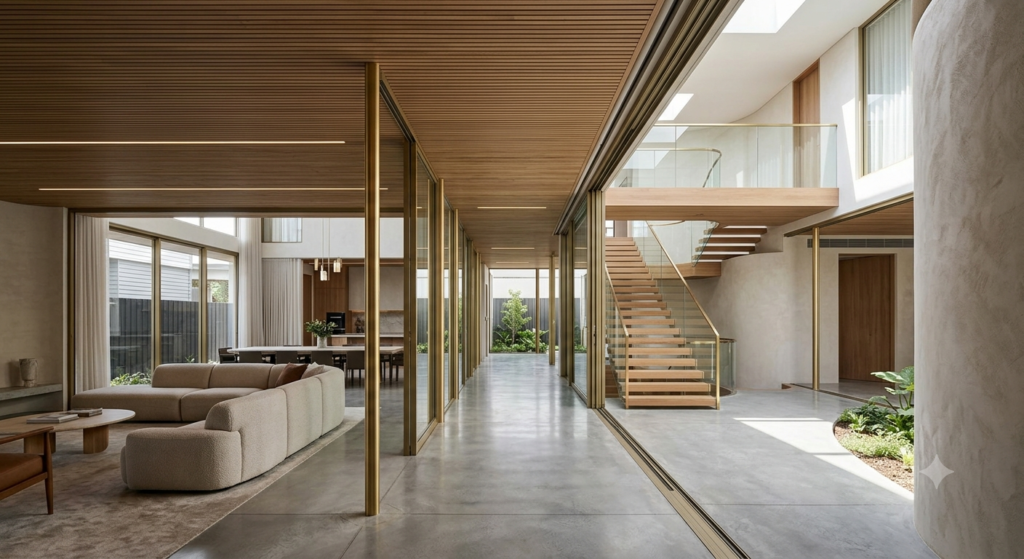
True luxury begins with space, not surface decoration. Before selecting furniture, one must consider the “journey” of the room—the experience of moving from the doorway to the bed, and from the bed to the ensuite.
Defining the Focal Point
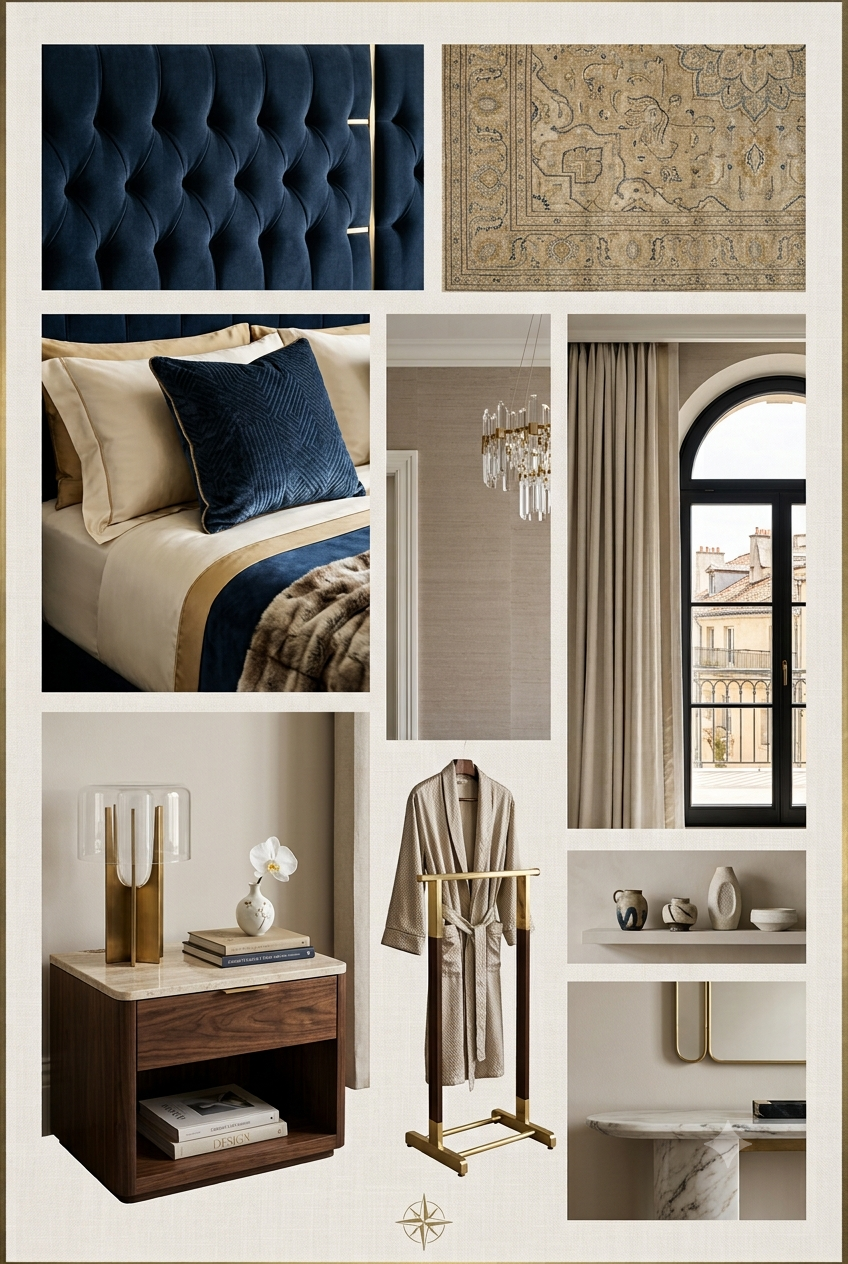
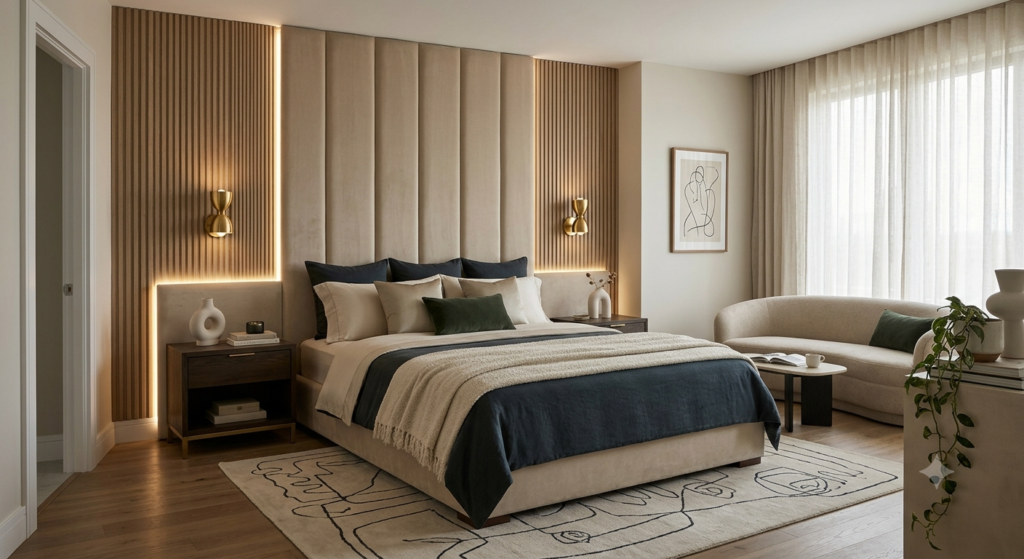
In a luxury bedroom, the bed must act as the definitive anchor. To achieve a high-end feel, consider the scale of your furniture in relation to the architecture. A commanding bedstead—perhaps upholstered in velvet or linen, or featuring a floor-to-ceiling headboard—grounds the room. Symmetry remains a timeless design principle, often achieved by flanking the bed with identical nightstands and curated lighting, which instantly signals order and peace.
Architectural Features as Art
Modern luxury often incorporates structural elements that add depth. Reeded gypsum, wood-slatted panels, or even faux archways can transform a boxy room into a cocoon-like sanctuary. If your space permits, consider creating architectural alcoves for seating or display, emphasizing them with concealed LED perimeter lighting to create a “halo” effect.
2. The Tactile Experience: Materials and Textures
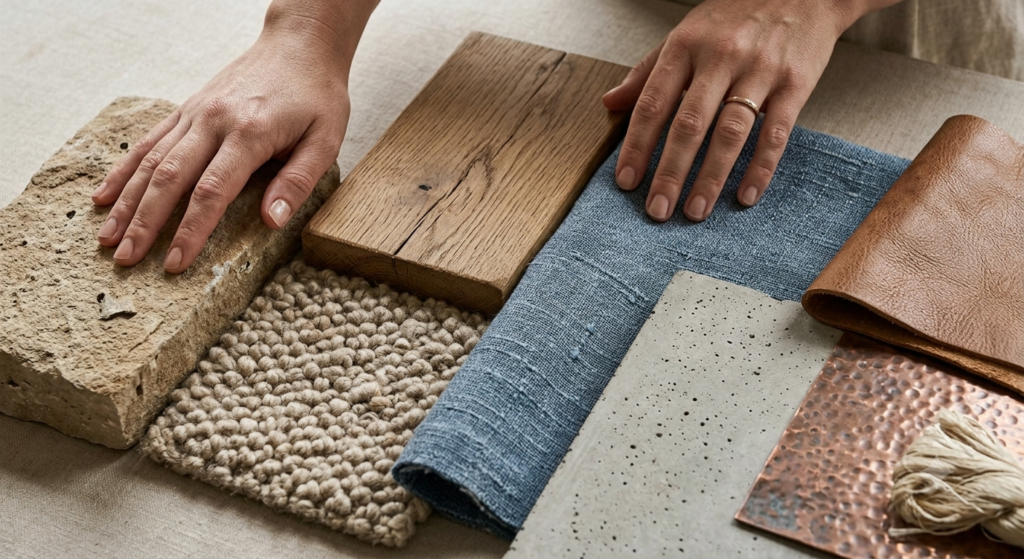
If visual design is the language of a room, texture is its soul. A high-end bedroom must feel as good as it looks.
The Power of Layering
Luxury is achieved through the art of layering. Avoid monochromatic flatness by mixing finishes. For example, pair a leather-upholstered headboard with crisp Egyptian cotton sheets, a chunky wool throw, and a silk-blend rug. Natural fibers like linen, bouclé, and velvet provide depth and variation that synthetic materials cannot replicate.
Wall Treatments
Moving beyond paint, luxury primary suites now utilize wall treatments to add dimension. Upholstered wall panels, grasscloth wallpaper with metallic threads, or even custom wood veneer millwork provide a sophisticated backdrop that softens acoustics and enhances the sense of intimacy.
3. Lighting: Designing for Mood, Not Just Visibility
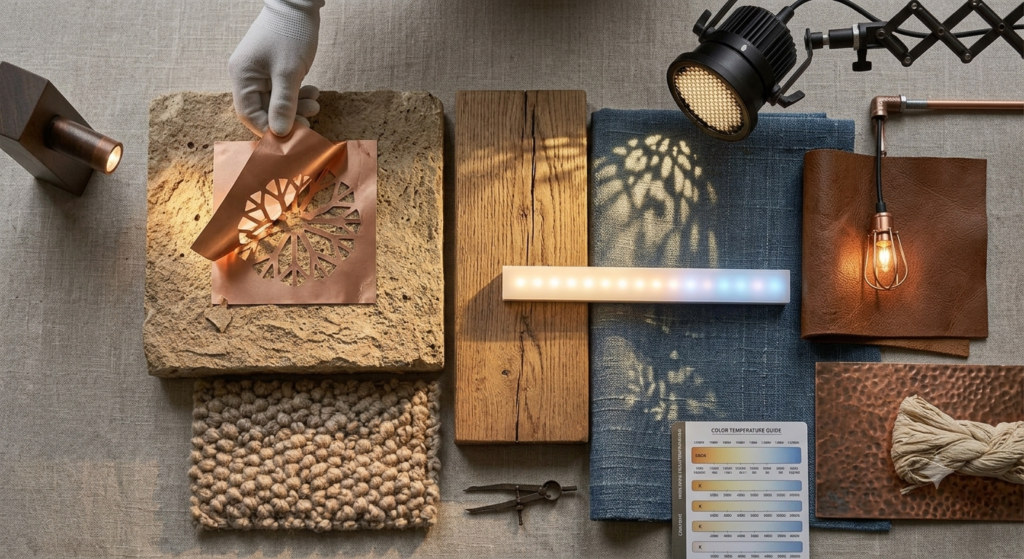
In professional interior design, lighting is treated as a building material. A luxury suite never relies on a single overhead source; instead, it utilizes a “layered lighting strategy”.
- Ambient Lighting: Soft cove lighting or recessed dimmable lights create an overall glow that feels effortless.
- Task Lighting: Statement bedside sconces or architectural lamps provide focus for reading without overwhelming the senses.
- Accent Lighting: Use lighting to highlight art or architectural textures. Subtle, warm LED strips hidden behind headboards or under floating nightstands create “structural shadows” that give the room a high-end, gallery-like quality.
4. Curating the Furniture: From “Sets” to “Stories”

One of the most common mistakes in high-end design is purchasing a matching bedroom “set.” True luxury is curated over time.
Bespoke and Sculptural Pieces
In 2026, the trend leans toward free-standing furniture over built-in cabinetry, allowing for more personality. Consider an antique dresser, a modern sideboard, or a custom vanity. When selecting furniture, look for organic, curved forms—bubble chairs, rounded loveseats, or curved drawer facades—which break the monotony of the room’s straight architectural lines and add visual softness.
Integrating a Lounge Element
A luxury primary bedroom is incomplete without a dedicated “moment” for relaxation that isn’t the bed. A lounge chair paired with a small coffee table creates a space for a morning coffee or a quiet evening read, reinforcing the bedroom’s role as a multi-functional sanctuary.
5. Color Palettes and the “Quiet Luxury” Trend

The trend for 2026 is a move toward grounded, earthy, and moody palettes.
- Tonal Bases: Start with a neutral, tonal palette—sandy beiges, creams, and stone tones—to establish a sense of serenity.
- Moody Accents: “Color drenching”—painting walls, trim, and ceilings in a single rich hue like forest green or midnight blue—can blur the boundaries of a room, creating a cocooning effect that promotes deep rest.
- Metallic Touches: Incorporate gold, brass, or dark bronze through hardware, light fixtures, or picture frames to add a subtle glint of sophistication without looking dated.
6. The Finishing Touches: Art and Personalization
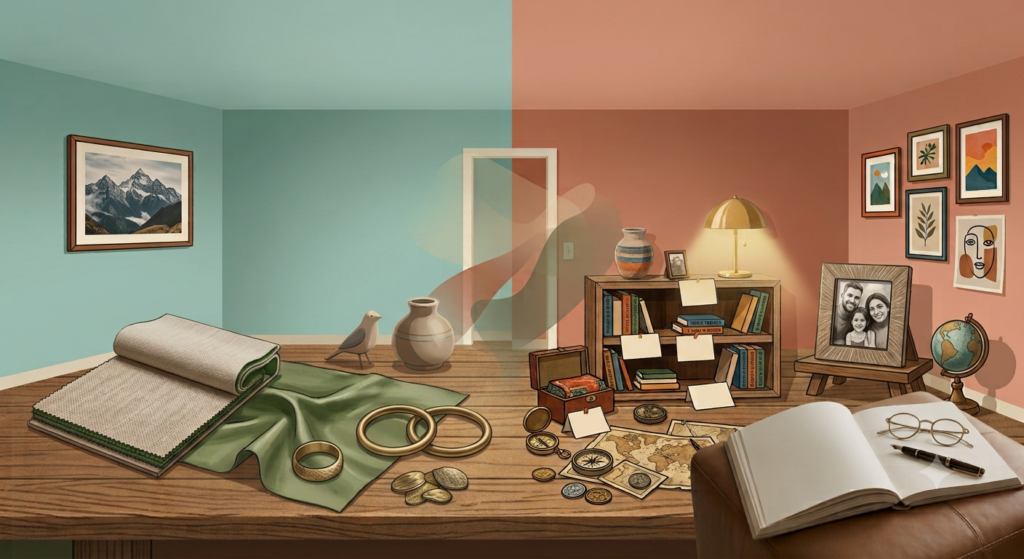
A room only feels like a “luxury suite” when it reflects the owner’s identity.
- Statement Rugs: Move away from standard carpets. In 2026, illustrated rugs featuring abstract shapes, line-drawn art, or textured wool/silk blends act as the room’s grounding foundation.
- Curated Objects: Follow the “Rule of Three or Five.” Group decorative objects—a ceramic bowl, a trailing plant, or linen-bound books—to create visual rhythm.
- Biophilic Elements: Bringing the outdoors in is essential. A large, sculptural plant or a well-placed floral arrangement can breathe life into a space, connecting the interior to the natural world.
Conclusion
Designing a luxury primary bedroom is an exercise in intentionality. It is about removing the unnecessary to make room for what truly matters: comfort, quality, and beauty. By focusing on architectural flow, layering high-quality textures, implementing a sophisticated lighting scheme, and curating furniture that tells a story, you can transform your primary bedroom into a timeless retreat. Remember, true luxury is not about the price tag of an item; it is about how the room makes you feel when you enter it at the end of the day.